After-Glow Confidence on the Heather Moor

Tonight, we focus on navigating heather moor paths safely after sunset, turning fading light into a calm, prepared adventure that respects the land and your limits. Expect practical tips for route-finding among springy heather, battery-smart lighting strategies, navigation discipline, and thoughtful contingency planning so every step feels deliberate, quiet, and kind to the living landscape surrounding your boots.

Dusk Landmarks That Still Speak

Humps of gritstone, lone fence posts, sheepfold corners, and subtle rises keep their character even as colors drain. Practice glancing ahead, back, and sideways to form a mental triangle of reference. A guide once advised noting skyline notches before darkness, then confirming them again after headlamps switch on, anchoring memory to shape rather than fleeting detail susceptible to night’s illusions.

Subtle Path Lines Through Heather

Many moor paths are more suggestion than road, revealed by faintly flattened stems, narrow pale abrasions through lusher tips, and the way water drains alongside. At dusk, step slower and watch how parallel traces converge at gates, stiles, or boundary stones. If lines dissolve, pause, sweep your beam low, and let oblique light raise delicate textures into readable relief.


Detecting Boggy Traps Before You Step

Peat hollows and sphagnum pillows hide confidently at night, inviting missteps that soak socks and chill resolve. Look for darker patches with soft, matte reflection after sunset, listen for a hollow squelch, and probe with a pole. Choose slightly higher threads of ground, skirt suspicious flats, and commit to detours early rather than sinking time and warmth into avoidable wallows.

Lightcraft: Headlamps, Night Vision, and Gentle Glow

Thoughtful lighting shapes safer movement without bleaching out depth or wildlife. A warm, diffuse beam reveals texture while preserving contrast, and a red or low mode protects night vision for scanning ahead. Carry redundancy, manage batteries in the cold, and use brief, deliberate flashes for checks instead of constant maximum brightness, allowing stars, moon, and your adapted eyes to collaborate gracefully.

Choosing and Aiming the Beam Wisely

Select a headlamp with multiple modes, a stable tilt, and a flood pattern that reads uneven ground. Aim the beam slightly down and forward, not at your toes or the horizon. Sweep in arcs during pauses, then dim while walking to maintain depth perception. A ranger once taught me to cup the light with a palm in mist, calming the glare immediately.

Protecting Night Vision for Safer Decisions

Your eyes adapt beautifully if you let them. Switch to red or moonlight modes during map checks, shield the lens between glances, and avoid staring into companions’ beams. After ten to twenty minutes, shadows speak more clearly and distant outlines return. If someone blasts high mode, pause, breathe, and re-adapt together, swapping navigation duties so judgment never outruns visibility.

Confident Navigation Beyond the Last Light

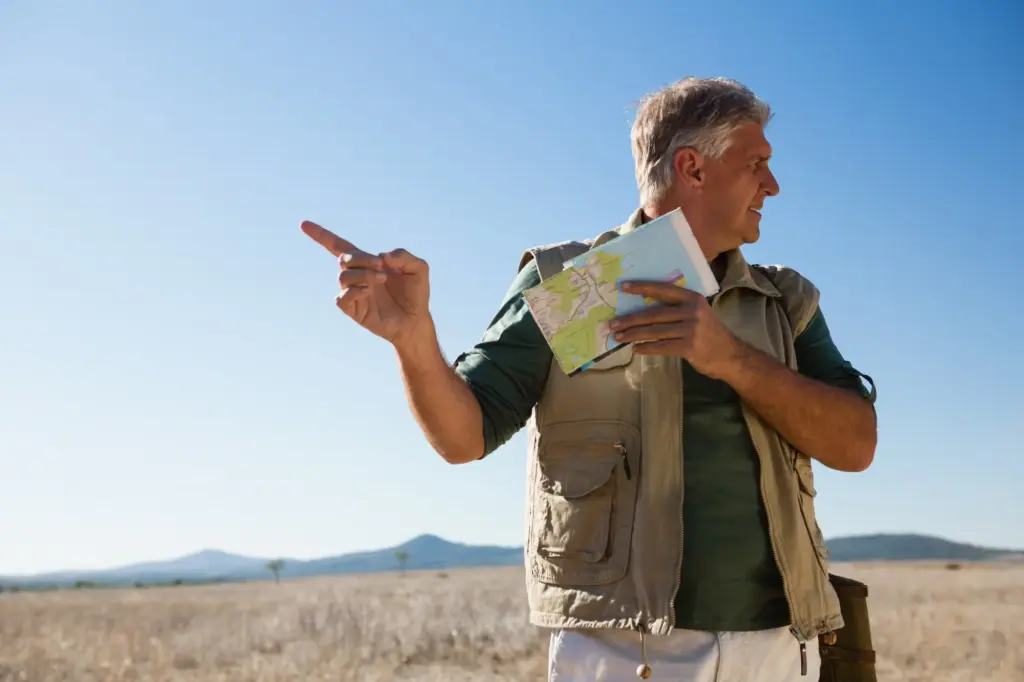
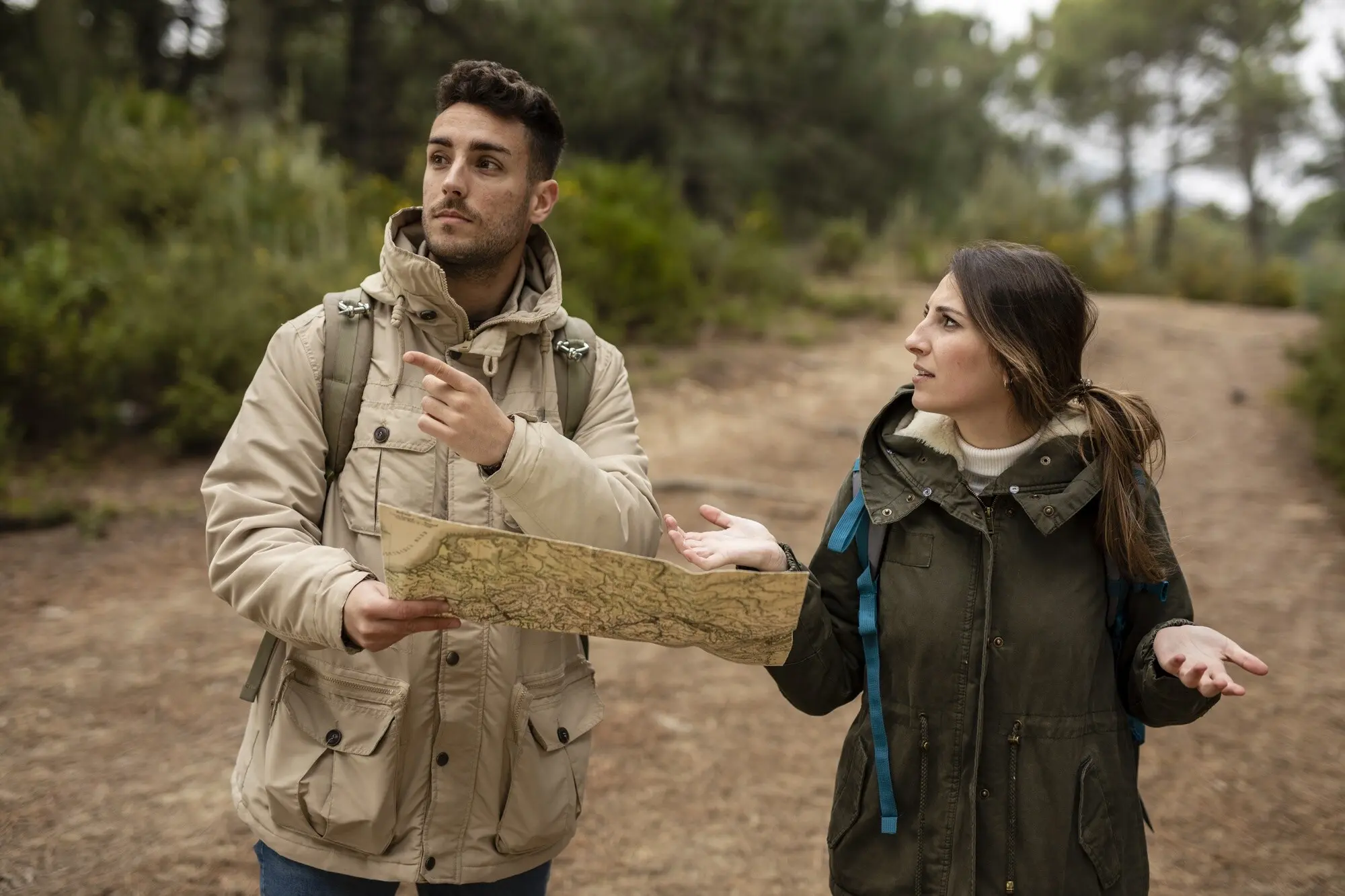
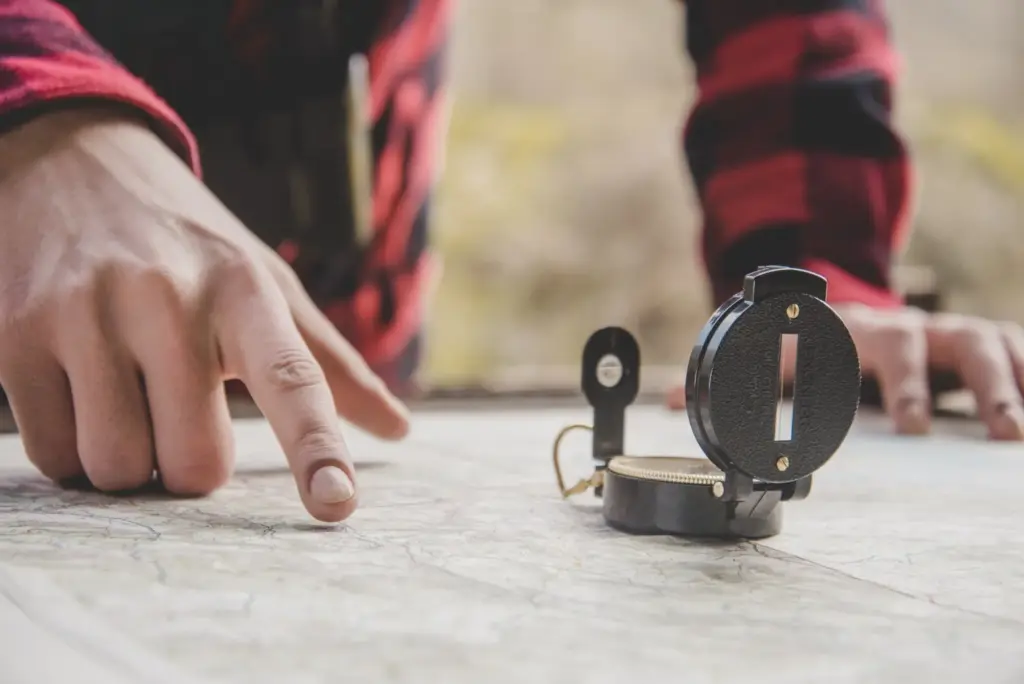
After sunset, the moor rewards steady craft: trustworthy bearings, honest pacing, and humble corrections. Map and compass remain the backbone, with GPS assisting rather than leading. Establish handrails like walls, streams, and clear boundaries, and set short legs with known attack points, checking often so small variances stay small. Quiet, repeated habits protect calm minds and warm fingers.

Weather Truths of Open Heather Plateaus

Moorlands magnify wind, mist, and chill after sunset, turning mild afternoons into biting evenings. Expect temperature drops, fast-forming fog, and dampness riding every gust. Trust local forecasts yet respect surprises, choose breathable layers that insulate when still, and anchor plans to timing cushions. A starry sky can hide frost, and a gentle breeze can harden into earnest resistance.

People, Signals, and Help When It Matters

{{SECTION_SUBTITLE}}

Simple Protocols That Keep Friends Together

Decide lead and sweep roles, establish visual contact intervals, and pause at every junction, wall gap, or stream crossing. Use concise calls—stop, slow, check map—rather than vague chatter. Rotate leadership to spread cognitive load, and practice counting heads silently after obstacles. Write phone numbers on a card, not just on devices, because wet nights love dead batteries.

Pinpointing Your Position Under Pressure

When clarity is precious, combine methods: take a compass bearing to align the map, identify two features for a resection, then verify with a GPS grid reference. Note altitude if your device allows; moors often step in clear contours. Share the location in an agreed format—grid, latitude–longitude, or app reference—so help, if needed, reads the same language immediately.

Care for Wildlife, Soil, and Stories Under the Stars

Heather moors hold ground-nesting birds, fragile peat, and centuries of human paths braided through working landscapes. At night, kindness multiplies: stick to established trods, dim beams near wildlife, close gates, and keep dogs close. Leave no trace, share local anecdotes, and help others fall in love carefully so these open places welcome future boots with the same quiet grace.

Walking Softly Through Living Heather

During nesting seasons, give extra berth to sensitive areas and heed ranger advice. Avoid cutting fresh lines over wet ground, lift feet rather than scuff, and choose rest spots on durable surfaces. Pack out every wrapper, even the tiny tear-off. A birder once thanked us for lowering lamps near a curlew’s call—small courtesies echo widely across patient moorland nights.

Ancient Lines and Modern Rights of Way

Many trods follow shepherd routes and boundary walls shaped by weather, work, and memory. Study access laws, check maps for permissive paths, and respect closures for conservation or safety. Photograph waymarks before dark and share updates with the community. Honoring old lines keeps feet aligned with history, ensuring new stories braid gently into resilient, honest pathways forward.
Zunokentomoripalo
Privacy Overview

This website uses cookies so that we can provide you with the best user experience possible. Cookie information is stored in your browser and performs functions such as recognising you when you return to our website and helping our team to understand which sections of the website you find most interesting and useful.