When Dusk Breathes Over the Heather

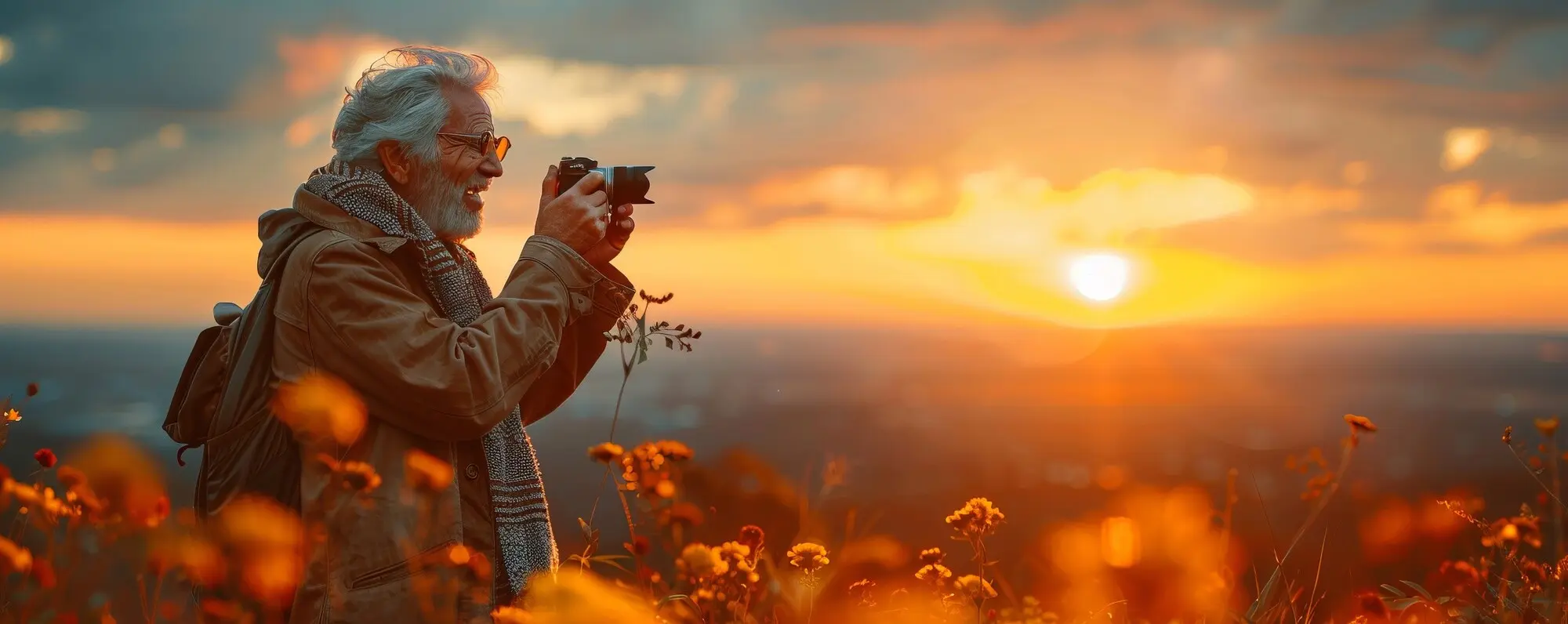
Tonight we explore weather, mist, and light phenomena on heather moors at day’s end, welcoming the quiet chemistry between cooling air, purple heath, and a sky surrendering to twilight. Expect practical field wisdom, lyrical observation, and science gently folded into lived experience under a softening horizon.

Reading the Sky’s Subtle Signals

Look for a paling wedge climbing opposite the sunset, the Earth’s shadow rising beneath the Belt of Venus, and thin veils forming over hollows. These gentle cues foretell cooling, moisture pooling near the ground, and a likely drift of mist where paths dip between hummocks.

Heather’s Response to Cooling Air

As temperatures slide, dew bejewels the heather bells, exaggerating the violet tone against bronzing grasses. The plant’s wiry stems hold droplets that scatter the last light, echoing a miniature fogbow shimmer when backlit, while fragrance intensifies, a quiet signal that the day’s engine is powering down.

Listening for Weather in Last Calls

Birds tell the hour better than watches here: curlew fluting low, snipe drumming faintly, skylarks falling silent. Their patterns correlate with cooling layers and fading thermals, hinting at settling air, increased stability, and whether mist will cling to the basin or lift briefly before full twilight.

Anatomy of Mist and Low Cloud

Radiation Fog on Open Heath

Clear skies invite heat to escape the surface, encouraging a shallow inversion where cooler, saturated air pools. On the heath, sparse cover accelerates the process, and the first threads appear. Step slowly; small movements stir layers, yielding sudden windows and closures that reveal, then hide, distant tor silhouettes.

Valley Fills and Hummock Traps

Clear skies invite heat to escape the surface, encouraging a shallow inversion where cooler, saturated air pools. On the heath, sparse cover accelerates the process, and the first threads appear. Step slowly; small movements stir layers, yielding sudden windows and closures that reveal, then hide, distant tor silhouettes.

Safety within a Whitening World

Clear skies invite heat to escape the surface, encouraging a shallow inversion where cooler, saturated air pools. On the heath, sparse cover accelerates the process, and the first threads appear. Step slowly; small movements stir layers, yielding sudden windows and closures that reveal, then hide, distant tor silhouettes.

Light That Bends and Scatters

As particles thicken near ground level, Mie scattering softens contrasts while longer red wavelengths slip through, painting the heather with improbable warmth. Shafts pierce cloud breaks, aligning with distant slopes into radiant avenues, and sometimes opposite the sun, faint rays converge, quietly stitching the dome with contemplative geometry.

Crepuscular and Anticrepuscular Rays

Sunbeams seem to fan from the west, yet perspective draws them together in the east as anticrepuscular twins. Watch where heather ridges interrupt their paths, carving alternating bands of glow and shadow that pulse with wind, guiding eyes toward far tors like illuminated compass bearings.

Glories and the Brocken Apparition

Stand above a mist bank with the sun behind you, and your magnified silhouette may hover on vapor, haloed by circular rainbows. This Brocken spectre delights and startles alike, a meeting of personal geometry and airborne droplets that turns a lone walker into a fleeting, luminous congregation.

Color Woven into the Heath

{{SECTION_SUBTITLE}}
Saturation during Civil Twilight

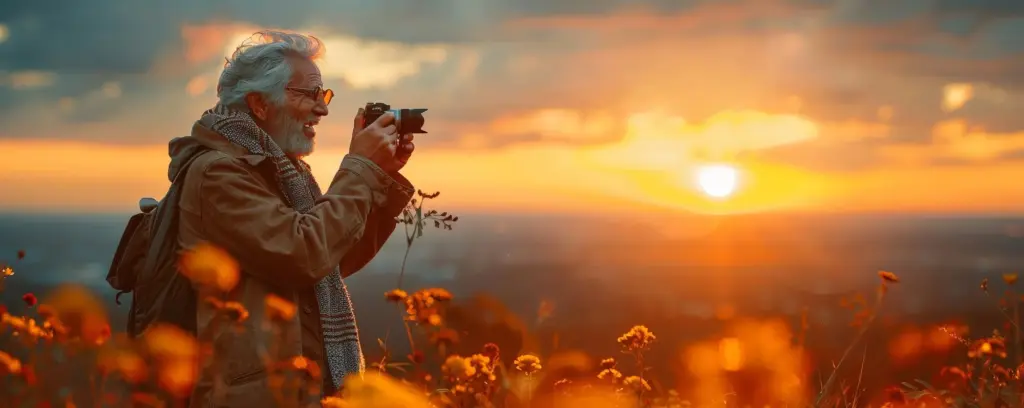
After sunset yet before true darkness, blue wavelengths dominate the sky while ground hues retain borrowed warmth. This contrast exaggerates the heather’s chroma. Photographers can expose slightly longer to bank color without crushing shadows, while walkers savor the painterly balance as paths soften but still guide confidently.

Dew as Thousands of Lenses

Each droplet bends and refocuses the horizon, seedheads becoming chandeliers of tiny suns. Move your head slowly and watch highlights skate across the heather bells. The moor becomes a gallery of optical experiments, generously offered to anyone willing to pause and align curiosity with patience.

Fieldcraft for Safe, Inspired Wandering
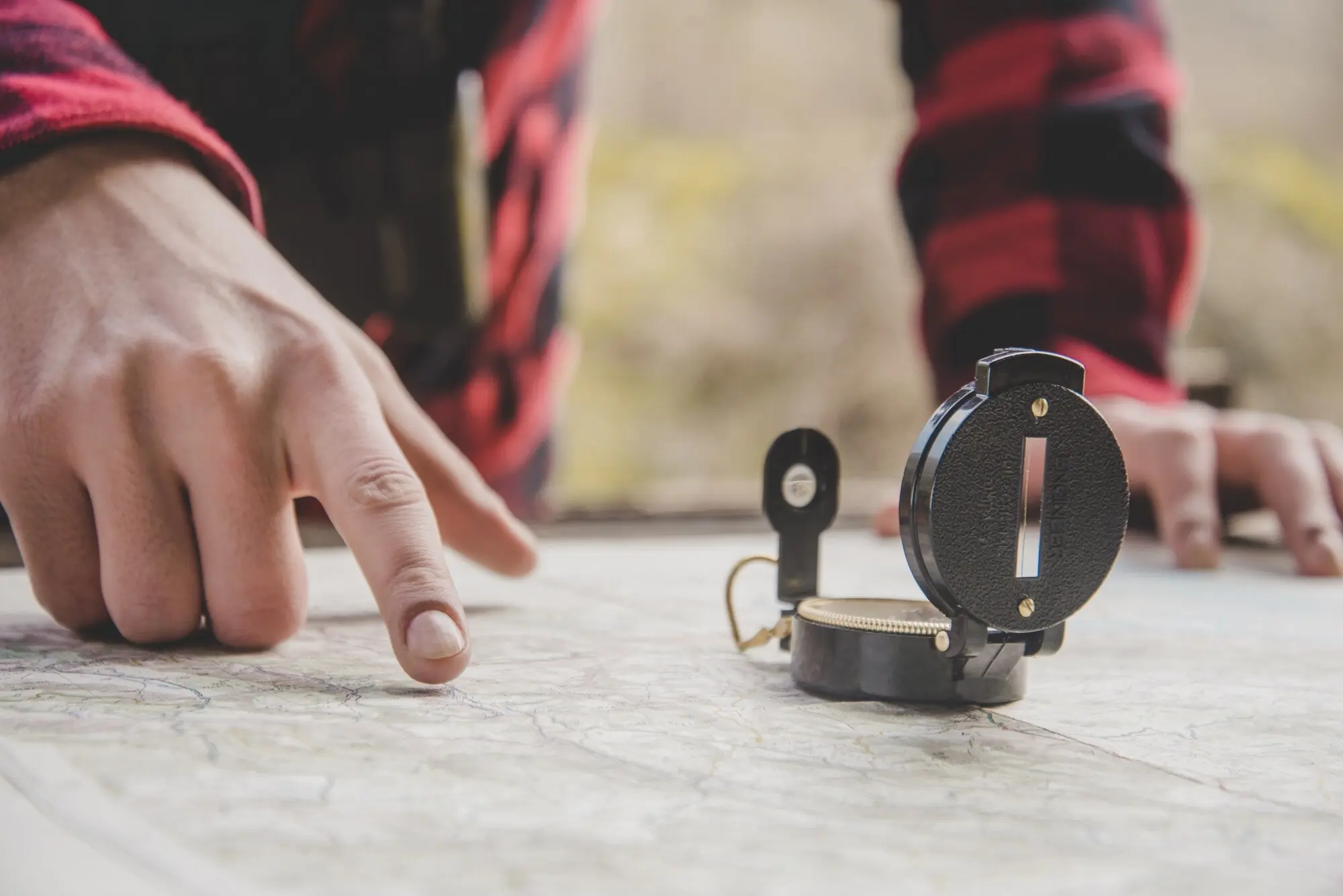
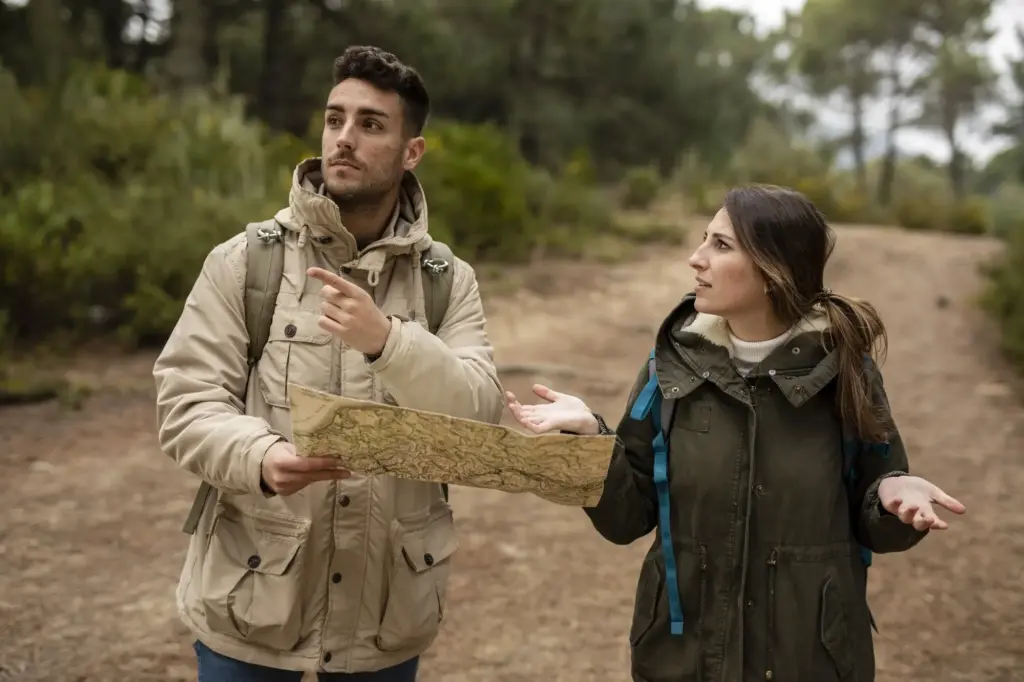
Preparation multiplies wonder. A small flask, headlamp with red mode, map and simple compass, waterproof sit pad, and layered clothing encourage lingering through the last light. Plan a return line before enchantment begins, then leave time to let unplanned marvels arrive without pushing beyond prudent margins.
Check local sunset, civil, nautical, and astronomical twilight times, then arrive early to watch transitions. The most delicate phenomena often bloom in the overlap—after the sun disappears yet before stars assert. Allow fifteen extra minutes for surprises, and note wind shifts that either lift or seed mist.
Even calm evenings bite once sweat dries. A lightweight windproof over fleece, thin gloves, and a buff keep curiosity warm. Pack a spare dry layer in a small drybag. Warmth protects focus, letting subtle rays and shy fogbows reveal themselves instead of hiding behind clattering teeth.
When the moor turns monochrome, simplicity wins. Follow a bearing to a linear feature, pace wisely, and resist diagonals across unknown bog. Reflective tacks on your strap, a whistle, and clear check-in plans support adventure. Wonder thrives when boundaries are respected and decisions remain calm, deliberate, humane.

A Lost Path, A Pale Arc Found

Once, a detour around a sodden patch led to an overlook above a breathing mist lake. A white bow unfolded silently, edge to edge, like returned breath. We marked the bearing, sketched the slope, and promised to tell others how gentle missteps can open kinder routes.

The Lantern that Wasn’t a Lantern

A shepherd’s light seemed to sway in the hollow, then multiplied into glints along reeds. Not lanterns at all—just dew catching anticrepuscular threads. We waved anyway, laughing at ourselves, then wrote it down carefully, grateful that humility often escorts the clearest lessons across evening ground.

After the Fog, a Soft Choir

When the veil thinned, curlews stitched calls along the valley, joined by a distant nightjar’s purr. The heather held a dusky shine, and boots felt lighter. We compared notes, promised to return, and invited friends to bring fresh eyes, so the moor could keep teaching generously.

Zunokentomoripalo
Privacy Overview

This website uses cookies so that we can provide you with the best user experience possible. Cookie information is stored in your browser and performs functions such as recognising you when you return to our website and helping our team to understand which sections of the website you find most interesting and useful.